
It can stand in for emailing bank details or asking you to look up a username on an app.
How a pay link works
How does pay by link work?
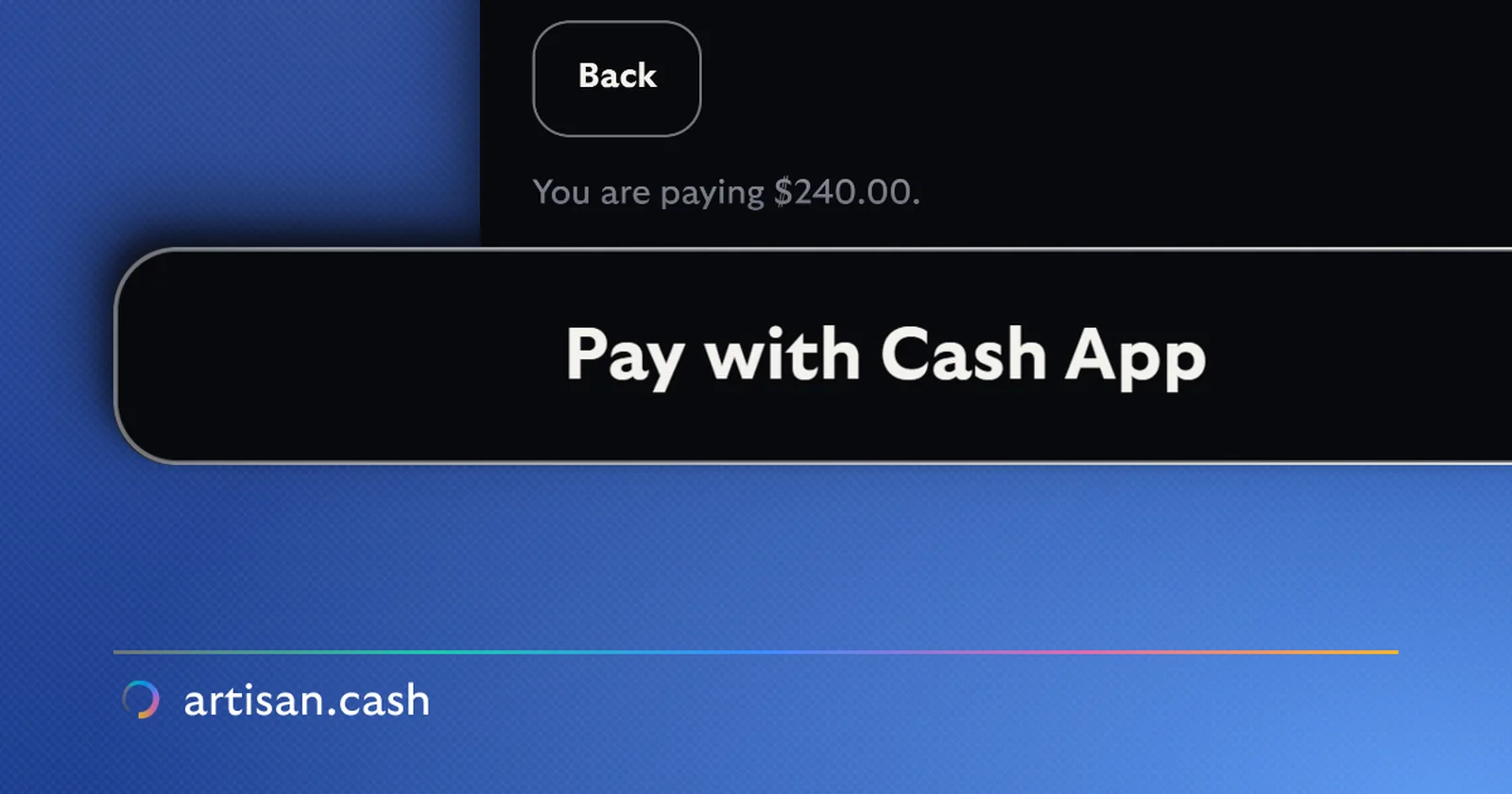
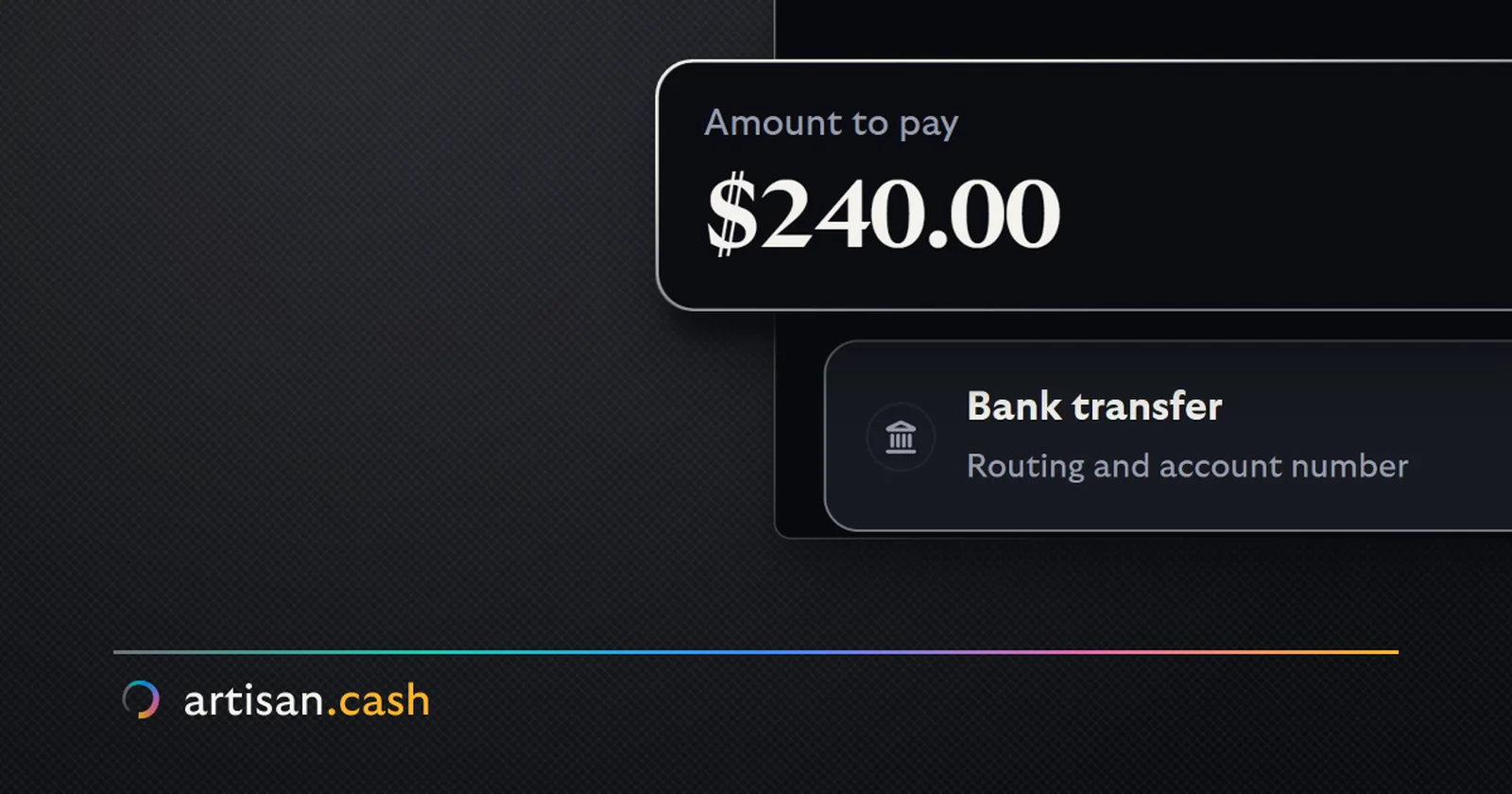
The person getting paid makes a link in an app or a payment tool, then sets an amount and a short note about what it is for, or leaves the amount open so the payer can type it. They send the link by text, email or chat, or show it as a QR code, which is the same link drawn as a picture. You open it and see who is asking, the amount and the note, then choose from the ways the page offers and pay. The ways can differ from link to link, so read the top of the page before you pay.
What should you check before you pay?
- Confirm that you expected the link, because a link from someone or some company you do not know could be a phishing message.
- Check who sent it by using a phone number or website you already have, rather than contact details inside the message.
- Compare the amount and the note to the invoice, quote or agreement you made with the person.
- Notice whether anyone is rushing you, since honest businesses give you time to decide.
- Be wary when the only ways to pay are crypto, a payment app, a wire transfer or gift cards.
Scams to watch for
What are four signs of a scam?
The FTC lists four signs of a scam. The sender pretends to be an organization you know, says there is a problem or a prize, pushes you to act right now, or tells you to pay in a specific way. A fake pay link can use all four. If you see even one, stop and check before you pay.
How do fake pay links show up?
- A made-up problem comes first, such as a text that says your account is on hold and asks you to click a link. The FTC says real companies do not text a link to update your payment information.
- An unexpected QR code. The FTC says to inspect the web address before you open it, and not to scan one in a message you did not expect.
- New payment details. If someone changes where they want to be paid, confirm it with a call to a number you already have. The FBI’s Internet Crime Complaint Center advises, in its business email compromise warning, using a second channel to verify changes in account information.
Which scams target the person getting paid?
Sellers and freelancers get targeted too. The FTC warns about a buyer who sends a check for too much and asks you to return the difference.
A message that says “I paid” is not a payment, so look in your own account first. The FTC’s 2022 alert on selling online adds two warnings: scammers send fake payment notices, and you should not accept a mobile payment from someone you do not know. It also notes that a bank saying a check cleared does not prove the check was good, and it can take weeks for the bank to find out a check was fake.
Disputes and chargebacks
What does a link change?
When you use a payment app to pay someone for the first time, the Consumer Financial Protection Bureau (CFPB, in a 2018 post) advises you to ask them to send a payment request if the app has one, and to consider a small test payment if it does not. It also says to double check the amount and the person you selected. A pay link already works like a payment request, so you do not look anyone up. You still have to check that the request is real.
How do credit card chargebacks work?
If your credit card statement shows a charge you do not recognize or a billing mistake, contact the card company by phone or online. The CFPB says to also send a written notice no later than 60 days after the statement that first shows it. The company has 30 days to confirm your letter and two more billing cycles to look into it. For a purchase that went wrong, not a charge you never made, the CFPB says to ask the seller for a refund first. If that does not go through, the card company can sometimes reverse the charge, called a chargeback. A payment you sent to a scammer is covered in the last section.
How do debit card and bank disputes work?
For a debit card or bank account, tell your bank within 60 days of the statement that shows the problem. That Regulation E deadline covers mistakes the rule defines, such as unauthorized or incorrect transfers. It does not necessarily cover a payment you sent yourself to a scammer, so for that case see the last section. Ask your bank anyway whether there is a way to get the money back.
What should the person getting paid check?
If a payer disputes a card payment, the card company may reverse it. Keep these habits for every link.
- Make one link for each job and put the invoice number or job name in the title.
- Compare your list of links to your account at a set time each week.
- Keep the link, what you delivered and your messages with the client.
- Write down your refund rule before you need it, and put it in the note on the link.
- Find out who handles disputes for your links, and how to reach them.
- Report a scam attempt at ReportFraud.ftc.gov.
On Artisan, and if you paid a fake link
What does a week of pay links look like?
These numbers are invented, with round amounts chosen to make the arithmetic easy, and they leave out any payment charges. A designer sends three links in one week, $800 in all.
| Link | Amount | By Friday |
|---|---|---|
| Logo | $400 | Arrived |
| Flyer | $250 | Arrived |
| Banner | $150 | Not paid yet, so the one to chase |
On Friday $650 has arrived. Next week the logo client asks for $100 back, so she refunds it and now holds $550. Keep each payment’s records, since a card payment can sometimes be reversed after a dispute.
How does pay by link work on Artisan?
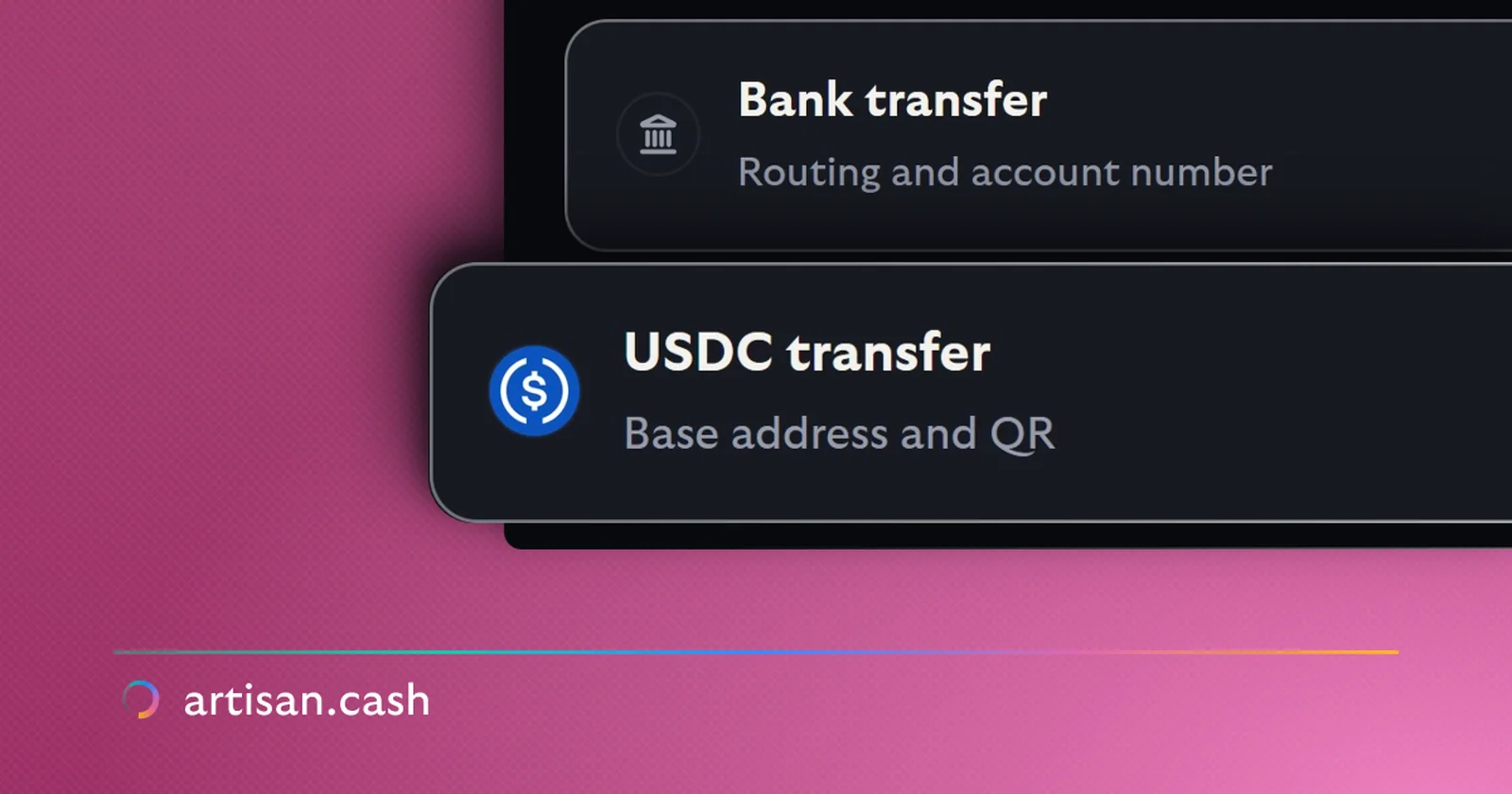
An Artisan member can take payments this way by turning on a Get paid page and sharing its link or QR code. The Get paid guide says the person paying does not need an Artisan account. An Artisan pay link shows only the ways that work for your account, which can include debit or credit card, bank payment, phone wallet and crypto, all paying into one account. Which ways appear depends on your account, so check the app for current details.
Artisan is a software company, not a bank, so read where your money is and the risk disclosures first.
What should you do if you paid a fake link?
Act fast, because getting the money back is not certain. The FTC says to contact the company you used to send the money, ask it to reverse the payment, and report the scam at ReportFraud.ftc.gov.
- For a card, tell the card issuer right away, using the number on your card or the app.
- For a bank transfer, tell your bank or credit union right away.
- For a payment app, tell the app right away.
- For crypto, contact the exchange or ATM operator you used and say it was fraud. The FTC says crypto lacks the same legal protections as credit and debit cards, so recovery can be harder.